
Severe traumatic brain injury has remained one of medicine’s most stubborn challenges. Despite decades of advances in trauma care, outcomes for patients with severe TBI have barely improved. A landmark NIH-funded clinical trial now nearing completion could change that calculus—and hyperbaric oxygen therapy sits at the center of the investigation.
The Hyperbaric Oxygen Brain Injury Treatment trial, known as HOBIT, has enrolled approximately 160 of its target 200 patients across 12 Level I trauma centers in the United States. Led by Dr. Gaylan Rockswold at Hennepin Healthcare Research Institute in Minneapolis, the study represents the most rigorous attempt yet to determine whether pressurized oxygen delivered in the critical hours after injury can alter the devastating course of severe TBI.
The Scope of the Problem
Severe traumatic brain injury accounts for roughly 10 percent of all brain injuries, yet it carries a mortality rate exceeding 30 percent. Among survivors, only about 30 percent achieve what physicians consider a good recovery. It is the leading cause of death and severe disability in young adults, claiming nearly 69,000 American lives annually according to CDC data.
The summer months bring a predictable surge. Memorial Day weekend marks the beginning of what trauma teams call the dangerous season—motorcycles return to roads, outdoor activities increase, and the emergency departments fill with patients whose brains are swollen and bleeding, whose families wait in rooms still absorbing the shock of what has happened.
“When people start doing crazy things, that’s when it happens,” Dr. Rockswold observed. “The summer months, Memorial Day weekend, classic. Fall can be busy too. It’s seasonal, but not always predictable.”
Why Oxygen Matters
The brain presents a unique therapeutic challenge. Though it comprises only about 2 percent of body weight, it consumes roughly 20 percent of the body’s oxygen supply. Unlike muscle tissue, the brain cannot rest—it requires constant, high-volume oxygen delivery to maintain function.
When severe trauma disrupts blood flow, the brain’s cells shift into an inefficient metabolic backup mode. They begin producing lactic acid instead of ATP, triggering a cascade of biochemical damage that leads to widespread cell death. The mitochondria, the cellular structures responsible for energy production, essentially cease functioning. Once this process begins, medicine has historically had little to offer.
“Outcomes have flatlined for basically my whole career,” Dr. Rockswold said. “We can take care of their lungs. We can take blood clots out. But we don’t have anything to give to the patient that will actually make a difference.”
Hyperbaric oxygen therapy offers a potential intervention at the metabolic level. Under pressure, oxygen dissolves directly into blood plasma rather than relying solely on hemoglobin transport. This dramatically increases the amount of oxygen reaching damaged tissue. In severely injured patients, brain tissue oxygen levels that typically register between 25 and 30 millimeters of mercury in standard ICU care have measured above 400 mmHg during HBO treatment.
Research by Rockswold’s team has demonstrated that oxygen consumption in the brain remains elevated for at least six hours after a session ends—evidence that mitochondria are resuming function. “What HBO does is rejuvenate those mitochondria,” Rockswold explained. “It helps reverse the cascade that results in cell death. That’s the foundation this whole trial is built on.”
Inside the HOBIT Trial
The HOBIT trial employs an adaptive phase II design testing six different treatment approaches. Several arms combine hyperbaric oxygen at varying pressures with normobaric hyperoxia—100 percent oxygen delivered at normal atmospheric pressure for three hours following each HBO session. Earlier research indicated that mitochondria are most active in the hours immediately following HBO treatment, suggesting that supplemental oxygen during this window might enhance the effect. A standard-care control arm and a normobaric-only arm complete the design.
Hennepin Healthcare, the sole Minnesota site, has enrolled approximately 42 percent of all participants—more than any other center by a significant margin. The trial’s demanding protocol requires extraordinary coordination. Patients who do not require surgery must receive their first treatment within six hours of injury. Those needing surgical intervention have up to 14 hours. In that narrow window, teams must stabilize the patient in the emergency department, transport them to the ICU, potentially complete surgery, obtain family consent, and move the patient to the hyperbaric suite.
“It requires everybody really, really working and moving,” Rockswold noted. “It’s a scramble. But the more you do it, the better you get at it.”
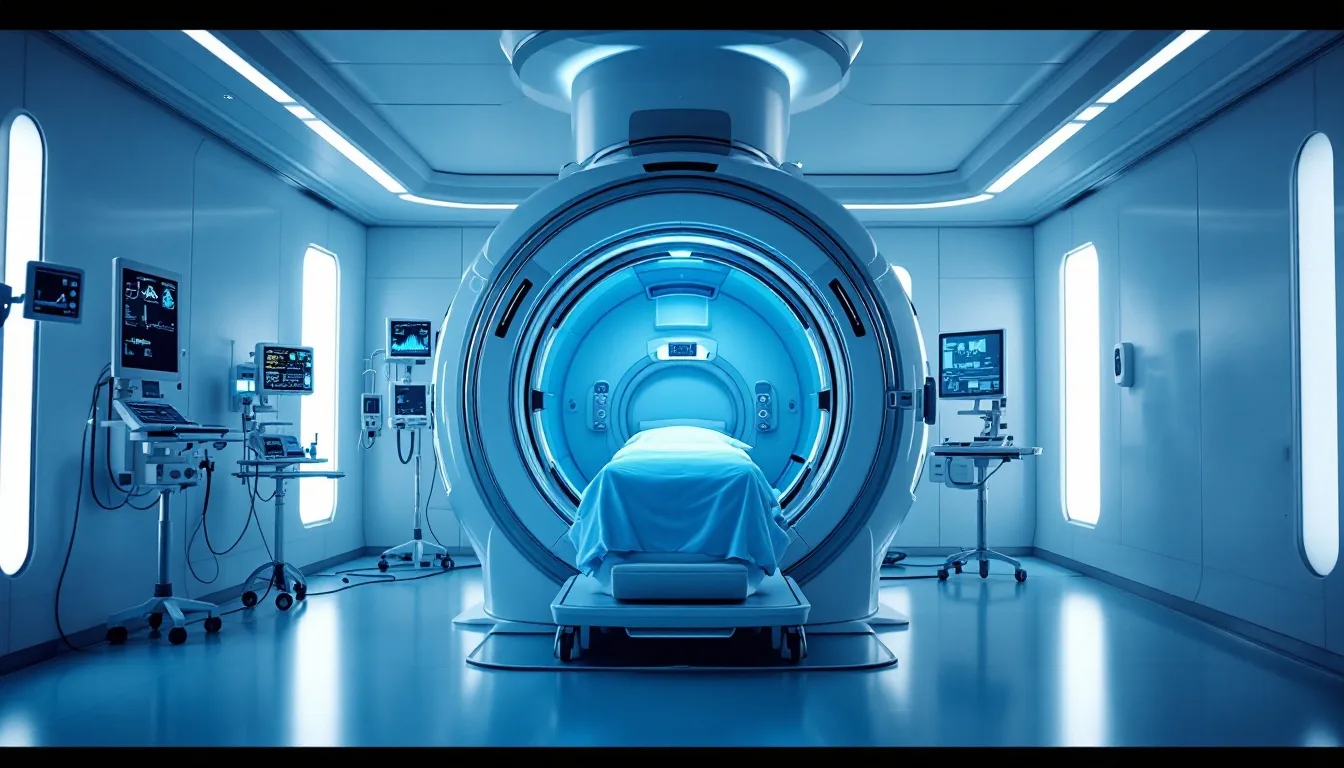
Once in the chamber, patients receive two treatments daily for five days. Each session lasts at least 90 minutes. Because these patients are comatose, pressurization must occur slowly and carefully. A small incision in the eardrum helps equalize pressure and prevents dangerous spikes in intracranial pressure. A full critical care team accompanies each patient, and the chamber functions essentially as a mobile ICU.
Safety in the Chamber
Treating unconscious, critically injured patients inside a pressurized environment presents obvious risks. The HOBIT trial has subjected these procedures to thorough safety scrutiny. Rockswold’s team has demonstrated that severe TBI patients with multiple injuries can be treated safely in a hyperbaric chamber when proper protocols are followed.
“One of the things we’ve shown is that you can treat severe TBI patients with multiple injuries safely in a chamber,” Rockswold said. “It has been scrutinized thoroughly, and it has been safe.”
This safety record matters beyond the trial itself. If HOBIT demonstrates efficacy, the protocols developed during the study would need to translate to trauma centers nationwide—many of which do not currently have hyperbaric facilities or experience treating acute neurological patients under pressure.
The FDA Context
The Food and Drug Administration has not cleared hyperbaric oxygen therapy for traumatic brain injury. The agency’s cleared indications include decompression sickness, carbon monoxide poisoning, certain non-healing wounds, late radiation tissue injury, gas gangrene, and several other specific conditions. TBI remains outside this established framework.
The FDA has also issued safety communications regarding hyperbaric devices, including a 2025 letter to healthcare providers emphasizing fire risks and the importance of following manufacturer instructions. The agency specifically warned against unapproved uses and improper home applications of hyperbaric therapy.
This regulatory landscape creates a challenging path for HOBIT. Even positive results would require additional Phase III trials and regulatory review before any potential approval for TBI treatment. The study’s adaptive design aims to identify treatment arms with greater than 50 percent probability of success in larger trials—a threshold that, if met, would represent significant progress in a field where historically only about 20 percent of large clinical trials prove effective.
What Success Would Mean
With enrollment approaching 80 percent completion, the trial statisticians hold the only unblinded data. Rockswold and the clinical teams do not know which treatment arms are performing well. The discipline of this separation—maintained despite years of work and countless patient encounters—protects the integrity of the findings.
“Sometimes you wish you could take a little peek,” Rockswold admitted. “But the unblinded statisticians are absolutely firm, which is totally appropriate.”
Success in the HOBIT trial would not immediately change clinical practice. It would, however, provide the strongest evidence yet that hyperbaric oxygen can alter the trajectory of severe brain injury. For a condition that has resisted therapeutic innovation for decades, that would represent a genuine breakthrough.
“A young person is laying there, comatose, with a severe brain injury, and you can give them supportive care, but there’s nothing specific,” Rockswold reflected. “To provide a treatment that’s going to improve functional outcome for many of these young patients, if this is successful, it’s huge.”
The Research Landscape
The HOBIT trial operates alongside other significant research efforts. The Undersea and Hyperbaric Medical Society recently published a second special edition of its journal dedicated to traumatic brain injury, featuring 11 papers analyzing data from military-sponsored studies including the BIMA trial (Brain Injury and Mechanisms of Action of Hyperbaric Oxygen for Persistent Post-Concussive Symptoms). These studies examine mild TBI and persistent post-concussive symptoms—different patient populations than HOBIT’s severe injury focus, but part of the same research ecosystem.
The BIMA studies and related military research have produced mixed results, with some trials showing symptom improvement while others have not demonstrated clear benefit over sham treatment. The Department of Veterans Affairs and Department of Defense have both invested substantially in hyperbaric oxygen research for service members with TBI and PTSD, though FDA clearance for these indications remains elusive.
Looking Forward
As summer continues and trauma season peaks, the HOBIT trial continues its work across twelve centers. Each enrollment represents a family in crisis, a patient whose brain is failing, and a medical team racing against the clock to deliver treatment within the narrow therapeutic window.
The trial’s completion will not settle every question about hyperbaric oxygen for brain injury. A Phase II study cannot definitively establish efficacy—that requires larger, longer trials. But HOBIT could provide the clearest signal yet about whether pressurized oxygen belongs in the standard of care for severe traumatic brain injury.
For a field that has watched outcomes remain static for decades, that signal—whatever it shows—will mark progress.
Sources
- Summer is the Deadliest Season for Brain Injury and Dr. Gaylan Rockswold is Working to Change What Happens Next — Hennepin Healthcare Research Institute
- Hyperbaric Oxygen Brain Injury Treatment Trial (HOBIT) — ClinicalTrials.gov
- UHM Journal Publishes Second Special Edition on Traumatic Brain Injury — UHMS
- Traumatic Brain Injury Data — CDC
- Hyperbaric Oxygen Therapy: Get the Facts — FDA