
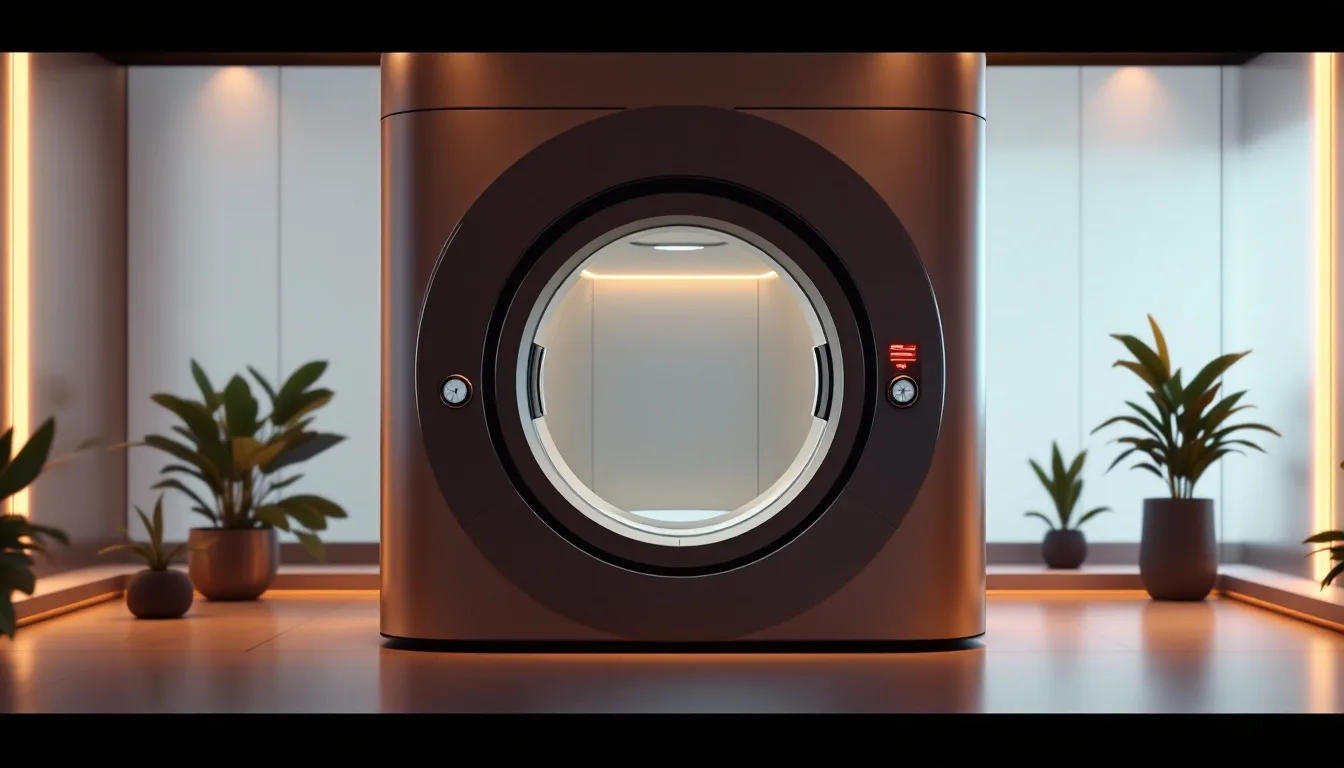
Hyperbaric oxygen therapy is having a wellness moment. From Beverly Hills med spas to the basements of celebrity homes, pressurized chambers promising everything from anti-aging effects to cognitive enhancement are popping up faster than regulators can track. But beneath the glossy marketing and influencer endorsements, a darker reality is emerging—one that has safety experts sounding the alarm about what one leading specialist calls “absolute anarchy and chaos.”
The Wellness Gold Rush
Walk into any high-end wellness center in Los Angeles, Miami, or New York and you’ll likely find hyperbaric oxygen therapy on the menu. Once confined to hospital settings for treating decompression sickness in divers and carbon monoxide poisoning, HBOT has migrated into the lucrative world of concierge medicine and biohacking. Celebrities have embraced the treatment publicly, posting photos from inside gleaming cylindrical chambers that resemble something between a sci-fi cryo-pod and a luxury spa amenity.
The appeal is straightforward: breathe pure oxygen under pressure, and your body supposedly absorbs more of it, accelerating healing, reducing inflammation, and—according to wellness marketing—slowing the aging process. But this commercial expansion has far outpaced the regulatory framework designed to ensure patient safety.
”Absolute Anarchy and Chaos”
In December 2025, John S. Peters, executive director of the Undersea and Hyperbaric Medical Society (UHMS), told The Guardian that the unregulated expansion of hyperbaric oxygen therapy has created what he described as “absolute anarchy and chaos.” The UHMS, the primary professional organization for hyperbaric medicine in the United States, has been increasingly vocal about the gap between proven medical applications and the exploding wellness industry built around HBOT.
The American Medical Association has responded by recommending that all states require HBOT facilities to obtain accreditation from the UHMS. Currently, no federal mandate requires such accreditation, creating a patchwork of state regulations that vary dramatically in stringency. Some states require physician oversight; others allow operation by technicians with minimal training.
The Tragedy in Michigan
The warnings from safety experts are not theoretical. On January 31, 2025, a hyperbaric chamber at the Oxford Center in Troy, Michigan exploded in a flash fire, killing 5-year-old Thomas Cooper. The boy, who had been receiving treatment for ADHD and sleep apnea—conditions for which HBOT is not FDA-cleared—was undergoing his 36th session when prosecutors say static electricity inside the chamber caused a spark that ignited the oxygen-rich environment.
Thomas was burned alive inside the chamber. His mother, standing nearby, suffered injuries to her arm as she tried to reach him.
In January 2026, a judge bound over for trial Tamela Peterson, the center’s CEO, along with safety director Jeffrey Mosteller and operations manager Gary Marken. All four face charges of second-degree murder and involuntary manslaughter. The case represents one of the most serious criminal prosecutions in the history of hyperbaric medicine in the United States.
The Oxford Center had reportedly dismissed safety concerns in the years prior to the incident, according to reporting by the Detroit Free Press. The chamber that exploded was being used for off-label indications—treating conditions not approved by the FDA for HBOT—raising questions about whether the tragedy could have been prevented through stricter oversight.
The FDA Responds
The Food and Drug Administration issued a pointed letter to health care providers on August 25, 2025, reminding facilities about the safe use of HBOT devices. The agency noted it was “aware of reports of serious injuries and deaths” associated with the therapy and emphasized the heightened fire risk when using oxygen at high concentrations.
The FDA’s recommendations read like a direct response to the conditions that may have contributed to Thomas Cooper’s death:
- Ensure fire prevention and safety measures are followed
- Ensure proper grounding equipment is used
- Ensure proper training is provided and maintained for staff
- Ensure patients wear clothing made of hyperbaric-compatible materials like cotton
- Be aware that some fabrics produce more static electricity than others
The agency specifically warned against “potentially prohibited items during use of the HBOT device, including electrical or static devices”—precisely the type of equipment prosecutors allege caused the fatal spark in Michigan.
The Evidence Gap
The safety concerns compound an already complicated evidence landscape. The FDA has cleared HBOT for fourteen specific indications, including decompression sickness, carbon monoxide poisoning, certain non-healing diabetic wounds, and sudden sensorineural hearing loss. For these conditions, the therapy has demonstrated benefit in controlled studies and is generally covered by insurance.
But the wellness industry has expanded far beyond these approved uses. Anti-aging protocols, cognitive enhancement for healthy individuals, treatment for autism spectrum disorders, and athletic recovery programs all operate in a gray zone where FDA clearance does not exist. The agency explicitly states that HBOT is “not proven” for cancer, Alzheimer’s disease, Lyme disease, cerebral palsy, multiple sclerosis, stroke, asthma, or heart disease—yet marketing materials at many facilities imply otherwise.
This evidence gap matters for safety as well as efficacy. When chambers are operated for off-label indications, they may be used outside the protocols and safety parameters established for approved treatments. Staff may lack the specialized training required for medical hyperbaric facilities. Equipment may not meet the standards required for hospital-based programs.
The Accreditation Problem
The UHMS accreditation program exists precisely to address these concerns. Accredited facilities must meet rigorous standards for physician oversight, staff training, equipment maintenance, and safety protocols. But accreditation remains voluntary in most jurisdictions, and the wellness industry’s rapid expansion has created a parallel market of non-accredited providers.
The result is a two-tiered system: hospital-based hyperbaric medicine departments with board-certified physicians and rigorous safety protocols on one hand, and med spa chambers operated by technicians with variable training on the other. Patients often cannot distinguish between the two.
What Patients Should Know
For individuals considering hyperbaric oxygen therapy, the current landscape requires careful navigation. The FDA maintains a clear position: HBOT is proven for specific medical conditions and unproven for most wellness applications. Insurance generally covers only the approved indications, meaning patients paying out-of-pocket for anti-aging or cognitive enhancement protocols are spending thousands of dollars on treatments without established benefit.
More critically, the safety record of hospital-based hyperbaric programs—with their specialized training, fire suppression systems, and physician oversight—does not necessarily translate to commercial wellness settings. The equipment may be similar, but the safety culture and protocols can differ dramatically.
The UHMS maintains a directory of accredited facilities on its website, providing one resource for patients seeking treatment in environments that meet professional standards. For off-label uses, the society generally recommends participation in clinical trials rather than commercial treatment—both to ensure appropriate safety oversight and to contribute to the evidence base that might eventually support broader indications.
A Reckoning Ahead
The criminal prosecution of the Oxford Center staff represents a potential turning point. If convicted of second-degree murder, the defendants would face penalties far more severe than the civil settlements typical of medical malpractice cases. The message to the industry would be unmistakable: operating hyperbaric chambers without appropriate safety measures carries not just financial but criminal liability.
Whether this case prompts broader regulatory reform remains to be seen. The FDA has authority over device safety but limited power to regulate how those devices are used once cleared for market. State medical boards can revoke licenses but vary in their willingness to pursue unlicensed practitioners. The UHMS can advocate for accreditation but cannot mandate it.
What is clear is that the current trajectory—exploding demand, minimal oversight, and tragic consequences—is unsustainable. The “absolute anarchy” described by John Peters has produced a marketplace where patients cannot easily distinguish legitimate medical treatment from potentially dangerous wellness experiments. Until that changes, the hyperbaric oxygen therapy boom will continue to carry risks that no amount of celebrity endorsement can justify.
For a therapy that literally involves breathing fire-hazard levels of oxygen under pressure, the margin for error is vanishingly small. The industry and its regulators are now confronting what happens when that margin is treated as an inconvenience rather than a mandate.
Sources
- Woman's World - The Hyperbaric Oxygen Therapy Boom Has Safety Experts Worried
- FDA Letter to Health Care Providers - Safe Use of HBOT Devices
- Detroit News - Judge to rule if 4 charged with boy's death in hyperbaric chamber can stand trial
- NBC News - Family of boy killed in hyperbaric oxygen chamber fire files lawsuit
- Yahoo Health - Why Hyperbaric Oxygen Therapy's Rise In Med Spas and Celebrity Homes Alarms Safety Experts