
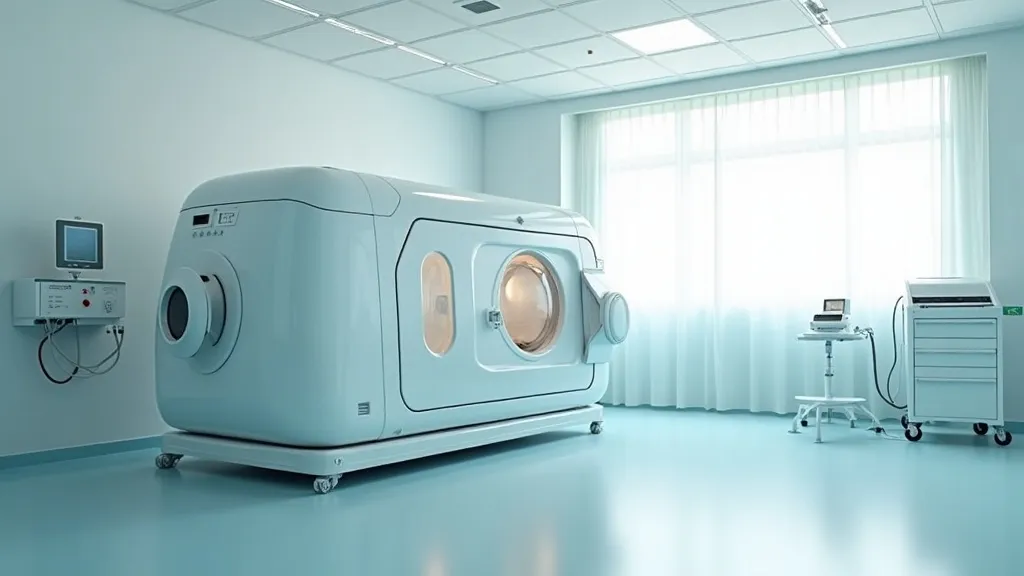
Hyperbaric oxygen therapy (HBOT) — breathing pure oxygen inside a pressurized chamber — is one of the oldest tools in modern medicine and one of the most aggressively marketed wellness trends. The U.S. Food and Drug Administration continues to draw a sharp line between the two, reminding consumers that the agency has cleared HBOT for only a specific list of conditions.
What the FDA has actually cleared
According to the FDA’s consumer guidance, hyperbaric oxygen therapy is an established treatment for a defined set of indications, including decompression sickness, carbon monoxide poisoning, certain non-healing diabetic foot wounds, late radiation tissue injury, gas gangrene, severe anemia, compromised skin grafts and flaps, crush injuries, thermal burns, and sudden hearing loss.
For these uses, the therapy is delivered under medical supervision in a chamber pressurized above normal atmospheric pressure, increasing the amount of oxygen dissolved in the blood and accelerating the body’s ability to fight infection and repair tissue.
The marketing the agency warns against
The FDA has repeatedly cautioned that it has not cleared or approved HBOT for a long list of conditions promoted by some clinics and home-device sellers — among them cancer, autism, Alzheimer’s disease, Lyme disease, cerebral palsy, multiple sclerosis, stroke, asthma, and general “anti-aging” or longevity benefits.
A 2025 letter to health care providers also flagged safety concerns with improperly used devices, including fire risk in the oxygen-rich environment of a chamber. Patients exploring HBOT for off-label wellness purposes should understand that those uses fall outside the agency’s cleared indications.
A widening research frontier
That regulatory caution sits alongside a genuinely active research program. Trials registered on ClinicalTrials.gov continue to examine hyperbaric oxygen for traumatic brain injury, post-traumatic stress disorder, long COVID, and chronic wounds, and some recent controlled studies have reported measurable effects on brain-injury recovery.
The evidence remains uneven across conditions, which is precisely why clinicians and regulators urge consumers to separate cleared, evidence-backed uses from promotional claims that have not yet been demonstrated in rigorous trials.
The takeaway is not that hyperbaric oxygen lacks value — for its cleared indications it is a well-supported therapy — but that the burden of proof for newer wellness applications still rests with the research now underway.