
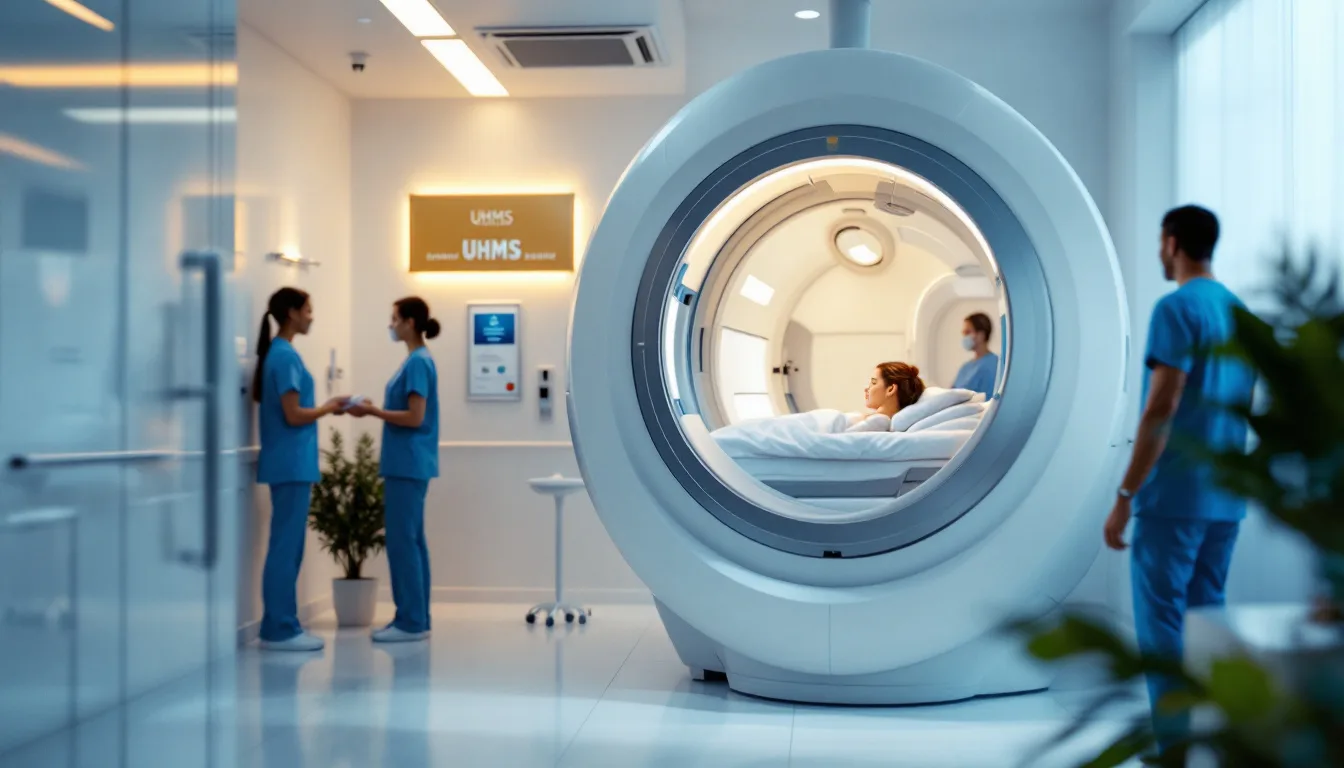
In a significant policy clarification, the U.S. Food and Drug Administration is now explicitly directing patients to seek hyperbaric oxygen therapy only at facilities accredited by the Undersea and Hyperbaric Medical Society. The recommendation, published in the FDA’s consumer guidance “Hyperbaric Oxygen Therapy: Get the Facts,” marks the first time the agency has formally endorsed a specific accreditation body as the gold standard for HBOT treatment centers.
The FDA’s guidance advises patients that “if your health care provider recommends HBOT, the FDA advises you get the treatment at a hospital or facility that has been inspected and is accredited by the Undersea and Hyperbaric Medical Society.” This endorsement comes amid growing concerns about the proliferation of unregulated hyperbaric facilities operating outside established safety protocols.
Why UHMS Accreditation Matters
The Undersea and Hyperbaric Medical Society, founded in 1967, operates the only comprehensive accreditation program for hyperbaric facilities in North America. UHMS accreditation involves rigorous evaluation of facility infrastructure, equipment safety protocols, staff credentials, and adherence to evidence-based treatment guidelines. The process includes on-site inspections and ongoing compliance monitoring—safeguards that consumer advocates say are essential for a therapy involving pressurized oxygen chambers.
Dr. Owen J. O’Neill, President of UHMS, has emphasized that accreditation ensures “the highest standards of care and patient safety through our rigorous evaluation of the adequacy of your facility, equipment, staff and training.” The FDA’s endorsement validates this decades-long commitment to quality assurance in a field that has seen rapid commercial expansion.
The Context: Safety Concerns and Unregulated Operators
The FDA’s recommendation arrives against a backdrop of high-profile safety incidents. In February 2025, a hyperbaric chamber explosion at a Michigan facility killed a five-year-old boy and injured his mother. Michigan Attorney General Dana Nessel subsequently brought criminal charges against the facility operator, highlighting what safety experts describe as systemic problems in the unregulated sector.
The August 2025 FDA safety letter to healthcare providers specifically warned about fire risks, injuries, and deaths associated with improper HBOT device use. That communication followed a July 2025 incident in Lake Havasu City, Arizona, prompting UHMS to issue its own safety statement emphasizing proper chamber operation protocols.
“The FDA is aware there are some hyperbaric oxygen treatment centers promoting hyperbaric oxygen chambers for uses that have not been cleared or approved by the FDA,” the agency’s consumer guidance states, citing cancer, Lyme disease, autism, and Alzheimer’s disease as examples of conditions for which HBOT lacks regulatory approval.
What the FDA Has Cleared
The FDA’s guidance distinguishes between established, cleared indications and experimental or unproven applications. The agency has cleared HBOT for thirteen specific conditions: air or gas embolism, carbon monoxide poisoning with cyanide poisoning, clostridial myonecrosis (gas gangrene), crush injury and acute traumatic peripheral ischemia, decompression sickness, arterial insufficiencies including central retinal artery occlusion and selected problem wounds, severe anemia, intracranial abscess, necrotizing soft tissue infections, osteomyelitis (refractory), delayed radiation injury (soft tissue and bone), compromised grafts and flaps, and acute thermal burn injury.
For these conditions, the FDA considers HBOT an established medical therapy when administered in appropriate clinical settings. However, the agency maintains that most wellness, longevity, and anti-aging applications marketed by commercial operators fall outside cleared indications.
Patient Guidance in a Complex Landscape
The FDA’s UHMS recommendation gives patients a concrete criterion for evaluating treatment facilities. Healthcare providers and patient advocates have welcomed the clarity, noting that consumers often struggle to distinguish between legitimate medical hyperbaric programs and commercial operations that may prioritize profit over safety.
Patients seeking HBOT are advised to verify a facility’s UHMS accreditation through the society’s online directory of accredited centers, consult with their healthcare provider about whether HBOT is appropriate for their specific condition, and exercise caution regarding facilities making claims about unapproved indications.
The FDA’s endorsement of UHMS accreditation represents a significant regulatory stance in the ongoing effort to ensure patient safety while preserving access to a therapy that, when properly administered, remains a critical treatment for life-threatening conditions ranging from diving emergencies to complex wound care.